
Hans Zimmer on Story, Sound and Legacy
How one composer's story-first approach reshaped the modern film score.
There’s a moment in Interstellar, you know the one, where the organ comes in and the whole cinema seems to lift an inch off the floor. I was there opening weekend and the man next to me, a total stranger, grabbed my arm. Neither of us said anything. We didn’t need to.
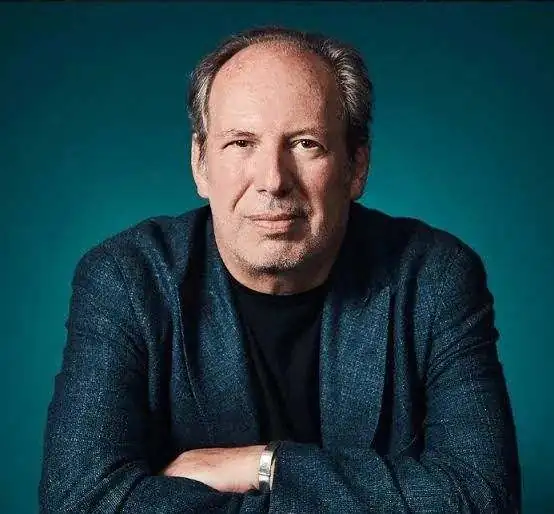
That’s Hans Zimmer. For more than thirty-five years he’s been making music that doesn’t just sit under a film, it carries it.
Story first
The thing people miss about Zimmer is that he starts with the story, not the notes. Think about the range. Rain Man in 1988. The Lion King in 1994, which won him his first Oscar. Gladiator. The Dark Knight films. Inception, with that bottomless brass. Interstellar. Dune, which won him his second Oscar, and Dune: Part Two after it.
None of those sound alike, and that’s the point. Each one begins with a question about the film. What does this world feel like? What does this person want? Then he goes and finds the sound, sometimes in an orchestra, sometimes in a synth, sometimes in a choir nobody had thought to use.
The legacy
You can hear him everywhere now. In the trailers, in the games, in a whole generation of composers who came up through his studio. Some people grumble about that. I don’t. I think it’s wonderful when one person’s way of listening changes how everybody listens.
Celebrate the Score is about loving this stuff out loud. So tell us in the Village: which Zimmer cue gets you every single time?